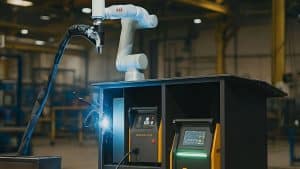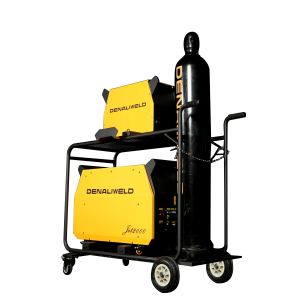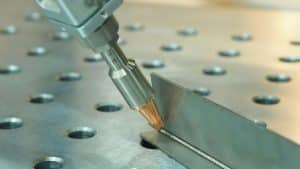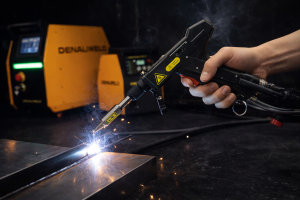


Handheld laser welders have become a serious point of interest for fabricators, shop owners, and technicians who want a cleaner, faster, and more flexible way to join metal parts. As more operations look for practical ways to improve weld appearance, reduce rework, and simplify operator workflow, portable laser systems are getting more attention in both production settings and custom fabrication environments.
See whether handheld laser welders deliver professional results without a steep learning curve.
That question matters because most buyers are not only comparing weld quality. They are also weighing portability, ease of operation, compatible materials, productivity, and long-term support. This article looks at how handheld laser welders compare with traditional welding, which materials they work best with, the main pros and cons, and what to consider when choosing a system based on usability, weight, and warranty coverage.
Handheld Laser Welders vs Traditional Welding
When people ask, “How do handheld laser welders compare to traditional ones?”, the answer depends on workflow, operator experience, and the type of fabrication being done. Traditional processes such as MIG, TIG, and arc welding remain established choices across many shops because they are familiar, widely used, and effective across a broad range of applications. Handheld laser welding, however, introduces a different balance of speed, heat control, and portability.
One of the biggest differences is how the equipment fits into the job. In many fabrication settings, handheld systems support faster movement between parts and joints, especially where operators benefit from reduced setup time and cleaner seams. For readers wanting a broader overview of field performance, this guide on whether handheld laser welders are any good provides added context.
Portability and Workflow Differences
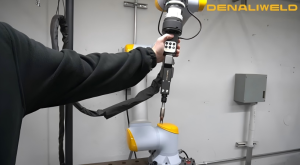
Compared with more fixed or equipment-heavy setups, handheld laser systems are easier to position around larger workpieces or varied weld locations. That can improve efficiency when a shop handles short runs, custom parts, or work that changes frequently. The portability also makes it easier to maintain flow around stations without constantly repositioning material.
Learning Curve and Operator Experience
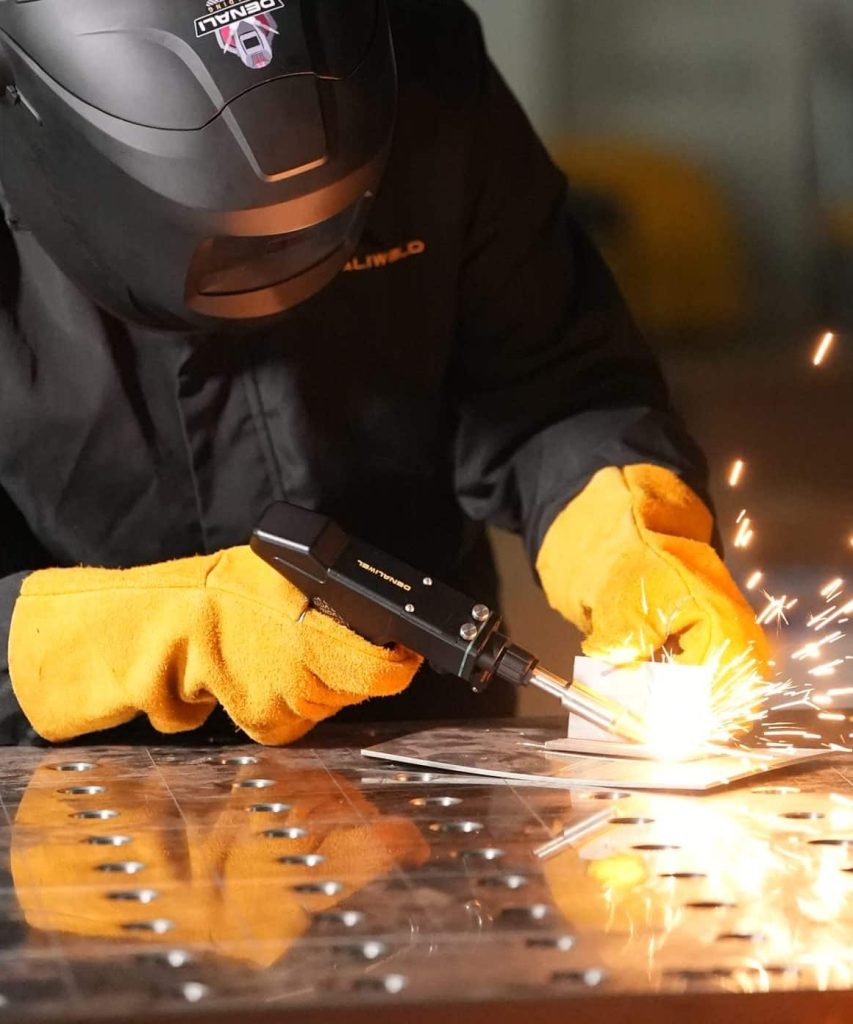
Another common question is whether handheld laser units are easier to use. In many cases, yes. Operators often find that handheld laser welders are more approachable because they can produce consistent seams with less manual technique than some traditional processes require. That said, easier operation does not mean no training. Safe handling, correct setup, PPE, and process familiarity still matter.
When Traditional Welding Still Has a Place
Traditional welding still makes sense in many scenarios, especially where material thickness, harsh site conditions, or long-standing shop processes favor conventional methods. Rather than replacing every process, handheld laser welding is best understood as a strong option for the right applications.
Materials That Work Best With Handheld Laser Welders
What materials work best with handheld laser welders? In most fabrication environments, stainless steel, carbon steel, and aluminum are the most commonly discussed materials. These metals often benefit from the cleaner seams and lower heat input that laser welding can provide, especially when appearance and reduced distortion matter.
Common Metals for Handheld Laser Welding
Stainless steel is often a strong fit because handheld laser welding can create neat, visually clean welds with limited spatter and reduced finishing requirements. Carbon steel also performs well in many fabrication applications, particularly when the joint is prepared correctly and the settings are matched to the work. Aluminum can also be welded successfully, though it usually demands closer attention to preparation, parameter control, and operator consistency.
Thickness and Weld Quality Considerations
Handheld laser welders are often best suited to specific thickness ranges rather than every possible heavy-duty application. Their lower heat input can help reduce warping and distortion, which is a major benefit when appearance and dimensional stability matter. Even so, fit-up quality, joint design, and material condition still affect the final result.
Material Preparation Best Practices
Clean material preparation remains essential. Oxides, oil, coatings, and contaminants can interfere with consistency, while poor joint alignment can reduce weld quality regardless of machine type. In practical terms, shops usually get the best results when surfaces are clean, edges are aligned, and the weld path is prepared before starting.
Pros and Cons of Handheld Laser Welders
If the question is, can you list pros and cons of handheld laser welders?, the short answer is yes: they offer meaningful advantages, but the trade-offs should be weighed against real shop needs.
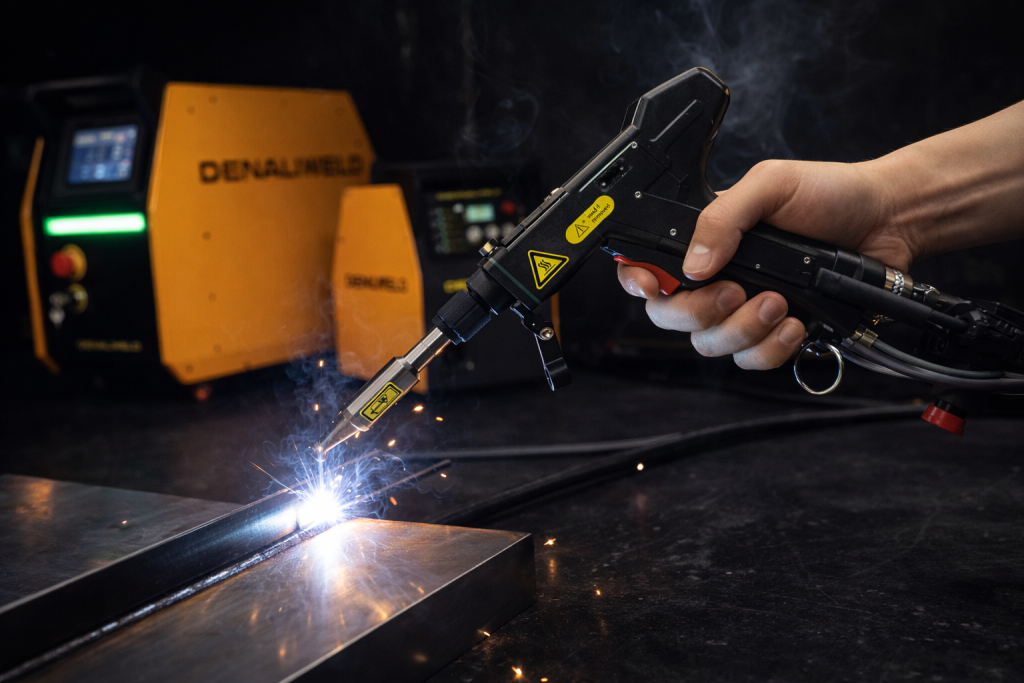
A major benefit is speed. In many applications, handheld laser welding supports faster work compared with more manual traditional processes. Another advantage is reduced heat distortion, which can help preserve part shape and improve cosmetic outcomes. Shops also value cleaner welds that cut down on grinding, finishing, or secondary cleanup. For many operators, the learning curve can also feel shorter, especially when the system is designed with intuitive controls and stable process settings. Denaliweld also outlines several practical reasons to use handheld laser welders for fabrication work.
Key Advantages in Fabrication Work
Faster welding speeds can improve throughput in both production and repair tasks. Cleaner seams reduce time spent correcting appearance issues after welding. Lower heat input can also help produce better cosmetic and dimensional results, especially on parts where excess warping creates downstream problems.
Common Limitations to Consider
The trade-offs usually begin with cost. Handheld laser systems often require a higher upfront investment than some conventional equipment. Safety expectations also remain high, which means training, PPE, and proper operating procedures are still essential. In addition, very thick materials or certain demanding environments may still favor other welding methods.
Evaluating Whether the Trade-Offs Make Sense
The best way to judge value is to compare the equipment against actual shop priorities. Throughput, finish quality, labor efficiency, and material mix usually matter more than headline claims alone. For the right workflow, the benefits can be substantial.
Choosing the Right Handheld Laser Welder (Ease of Use, Weight, and Warranty)
Several buying questions come up at the same time: which handheld laser welders are easiest to operate?, what are the most lightweight handheld laser welders?, and which handheld laser welders have the longest warranty? The most practical answer is to evaluate the system as a complete package rather than focusing on one feature alone.
Features That Improve Ease of Use
The easiest systems to operate usually include intuitive interfaces, simplified parameter selection, ergonomic controls, and setup features that reduce friction for the operator. Preset programs, responsive controls, and clear displays can help both newer and experienced users work more efficiently. Ease of use matters because a system that is simple to run consistently is more likely to deliver repeatable results.
Why Lightweight Design Matters
When buyers ask about the most lightweight handheld laser welders, they are often really asking about maneuverability and fatigue. A lighter handheld gun can be easier to move across seams and around large parts, which improves comfort over longer work periods. In busy shops or field-oriented tasks, portability also supports better mobility between work areas.
What to Look For in Warranty and Support
Warranty length is important, but coverage details matter just as much. Buyers should compare what the warranty actually includes, how service is handled, and whether replacement parts and support are readily available. The handheld laser welders with the longest warranty are not automatically the best choice if service responsiveness is weak. In most cases, dependable support and clear coverage are part of the overall value of the investment.
Conclusion
Handheld laser welders appeal to modern fabrication teams because they combine portability, cleaner weld appearance, reduced heat distortion, and a more approachable operating experience for many applications. They are not a universal replacement for every traditional welding process, but they can offer real advantages when the material, workflow, and production goals are a good match.
For shops comparing equipment options, the smart move is to look beyond marketing claims and evaluate real use factors such as materials, ease of use, gun weight, and support after purchase. To continue your research, explore Denaliweld’s resources on whether handheld laser welders are any good and reasons to use handheld laser welders.
FAQs
What materials work best with handheld laser welders?
Stainless steel, carbon steel, and aluminum are among the most common materials. Results are strongest when the surface is clean, the fit-up is correct, and the settings match the material and thickness.
Which handheld laser welders are easiest to operate?
Units with intuitive controls, ergonomic handheld components, and simplified parameter settings are usually easiest to operate. Ease of use also improves when the system reduces setup complexity and supports consistent weld quality.
How do handheld laser welders compare to traditional ones?
They often offer cleaner seams, lower heat distortion, and better portability, while traditional welding still remains useful for many thicker or more established shop applications.
Can you list pros and cons of handheld laser welders?
Pros include faster welding in many use cases, cleaner welds, and less finishing work. Cons include higher upfront cost, required safety training, and limitations depending on material thickness and application.
What are the most lightweight handheld laser welders?
The most lightweight options are typically those designed with operator comfort and mobility in mind, especially at the gun and cable level. Buyers should compare handling feel, balance, and fatigue over long use periods.
Which handheld laser welders have the longest warranty?
The best answer depends on the manufacturer’s current warranty terms. Buyers should compare warranty duration, parts coverage, service response, and support availability before making a purchase decision.