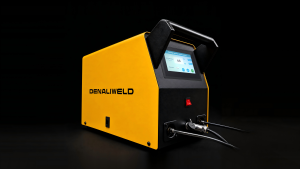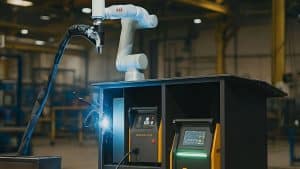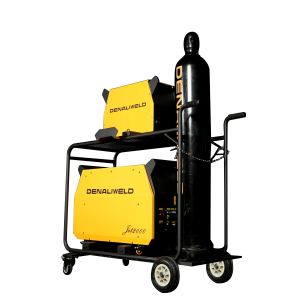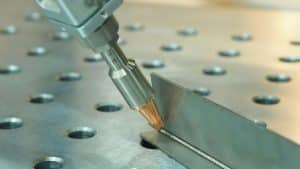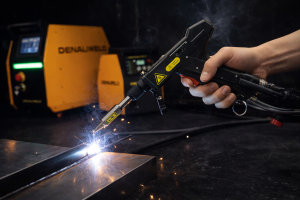


Are you planning outdoor fabrication jobs like gates or railings? If so, you are better off mastering the art of laser welding for gates and railings. A handheld laser welder can offer you much faster joining speed and durability while reducing heat distortion and other cosmetic issues.
Traditional welding techniques are no longer sufficient in constructing gates and railings. However, you cannot simply switch over from a conventional MIG welding method to a laser welder without understanding the durability factors and practical welding workflow tips. It is the best way to ensure you have a successful outcome with your outdoor welding projects.
Typical Outdoor Fabrication Jobs
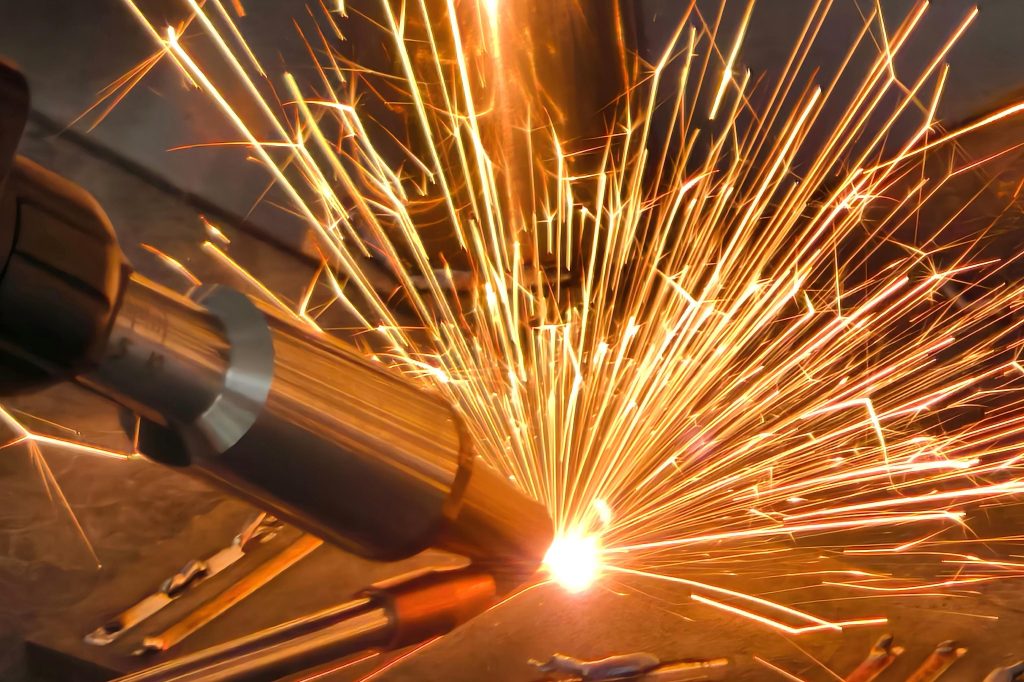
Outdoor fabrication jobs typically involve large, heavy-duty structures seen or used by many people. Some of the more elaborate outdoor fabrication jobs include:
- Residential and Commercial Gates
- Sidewalk railing
- Bridges
- Cranes
- Stadium seating
- Billboards,
- Roller coaster tracks
Small welding and fabrication shops typically work on metal railings, gates, and other types of metal barriers. Think about pedestrian walkway enclosures you see on the sides of roads or the commercial patio fencing surrounding businesses in busy urban areas. All those metal structures were likely the result of outdoor fabrication jobs.
If the structures were made over a decade ago, the gates and railings likely came from TIG or MIG welding. TIG welding was always good at achieving clean, attractive joints for gates and railings. MIG welding was good for producing the gates and railings quickly. Many smaller shops on tight budgets would choose MIG welding to save money.
In modern times, a handheld laser welder offers fabrication shops the best of both worlds. It can produce attractive joints, minimal warping, and high durability against years of harsh weather conditions. The shop owners need to know the best approach to conducting their outdoor gate and railing fabrication jobs with a handheld laser welder.
Material Choices and Rust Protection Basics
Outdoor metal structures like gates and railings face constant threats from environmental elements like rain and humidity. That is why you must choose the proper metal materials to prevent your outdoor structures from incurring rust and corrosion. These long-term considerations will ensure your outdoor structures last for a long time.
Small fabrication shop owners may choose a lightweight aluminum material or mild, low-carbon steel for their metal gates and railings. Both metal options are cost-effective and provide the durability and rust protection needed to survive outdoors for years. Furthermore, a handheld laser welder can keep the surfaces smooth for faster and more efficient galvanization and priming for long-term protection.
The proper shielding gas, such as argon, will create a watertight sealant for the foundational joints of the railing and gates. It will prevent moisture from penetrating any microscopic cracks or pinholes created from the narrow precision of the handheld laser weld.
Fit-up Shop Tips for Thicker Sections
Fit-up is a necessary preparation step before welding begins. The joints and sections must align perfectly to ensure they fit together well. It is the only way to ensure they will properly join together when welding them.
The traditional MIG welding method can fill larger gaps with the molten filler wire, making it suitable for poorly prepared, thicker sections. On the other hand, laser welding requires nearly perfect joint preparation when fabricating outdoor metal structures with thicker sections. It requires exceptionally tighter alignment with no visible gaps. If you can see daylight shining through, the gaps are too big.
Here are some fit-up tips before laser welding thicker sections:
- Clamp everything down tightly (e.g., heavy-duty clamps)
- Use precise cutting tools (e.g., CNC plasma tables, highly calibrated cold saws)
- Use the laser welder’s automated wire feeder to fill unavoidable gaps with a thin wire of extra metal
- Keep the gap smaller than the wire
When MIG or Handheld Laser Welder May Be the Better Choice
If you have trouble maintaining perfection and precision in this manner, you might be better off using the MIG welding method until you can improve your fit-up skills. MIG welding is also better if you are working with dirty or rusted metal materials that you cannot adequately clean.
Laser welding is better if you can work with clean parts and establish tight fit-ups. It is ideal for producing aluminum and mild steel railings and gates, where minimizing heat distortion is the primary objective.
Finishing and Coating Workflow
The finishing and coating workflow is where laser welding can save you more time and energy. Traditional welding requires hours of grinding, sanding, and polishing to remove splatter and flatten welds before applying the powder coating to the outdoor metal structures. Handheld laser welding provides a smooth and attractive weld right away. There is hardly any splatter to remove other than residual oils and or dust.
As a result, you have a much more streamlined finishing and coating workflow when working with a handheld laser welder. It won’t take you long before you move the finished railings and gates to the powder coating booth to maximize their corrosion resistance.
Safety and Jobsite Considerations
Working with a handheld laser welder requires you to follow strict safety protocols, especially when you’re working at an outdoor jobsite. It is easier when you’re inside your fabrication shop because you have walls and curtains to block the laser light from escaping into other rooms or outdoors. But when you’re outside, the laser could potentially bounce off metal and injure someone unless you take the proper safety precautions.
Follow these safety procedures:
- Wear eye and face protection.
- Set up specialized laser curtains to contain laser light around the jobsite
- Put up warning signs around the jobsite
- Remove or block all reflective surfaces in the immediate area.
- Install wind curtains to protect shielding gases.
FAQs for Outdoor Projects
How do I prevent wind from impacting the shielding gases?
Windy conditions are a common challenge in outdoor fabrication projects because wind can blow away the shielding gas. Once this happens, it will immediately cause oxidation in the weld, resulting in less corrosion resistance and weaker structural integrity. The best way to prevent wind from impacting your shielding gases is to use heavy-duty welding tents or windbreaks to stabilize the gases within your weld pool.
Is it easier to use laser welding for outdoor fabrication projects?
It may be easier for some outdoor fabrication projects, but not all of them. In general, learning how to use a handheld laser welder is easier than learning to use TIG and MIG welding devices. Beginners can learn the basics of handheld laser welding within 30 minutes, while learning TIG and MIG can take weeks and months. The only downsides to laser welding for outdoor projects are the precise fit-up requirements and protecting the shield gas from the wind.