

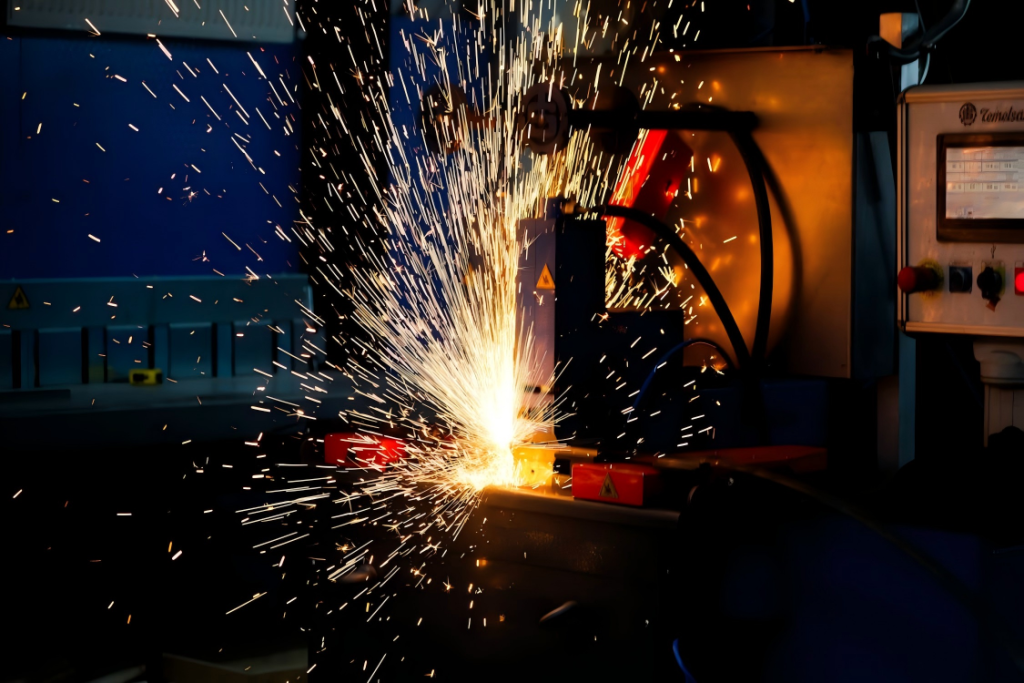
Today, cobot systems are rapidly changing how welding automation is done; by offering consistent weld quality, improved productivity, and enhanced workplace safety, they are gaining massive popularity.
Cobots can assist human welders with repetitive tasks and precise welds, and even help factories meet demanding production goals and deadlines. However, keep in mind that even the most advanced machine, device, or system can experience issues and downtime.
By understanding the most common system troubles, you can gain effective troubleshooting skills essential to keeping your system’s uptime as consistent as possible. In this guide, we’ll explore what to do if your cobot runs into issues.
Common Issues in Cobot Systems and Welding
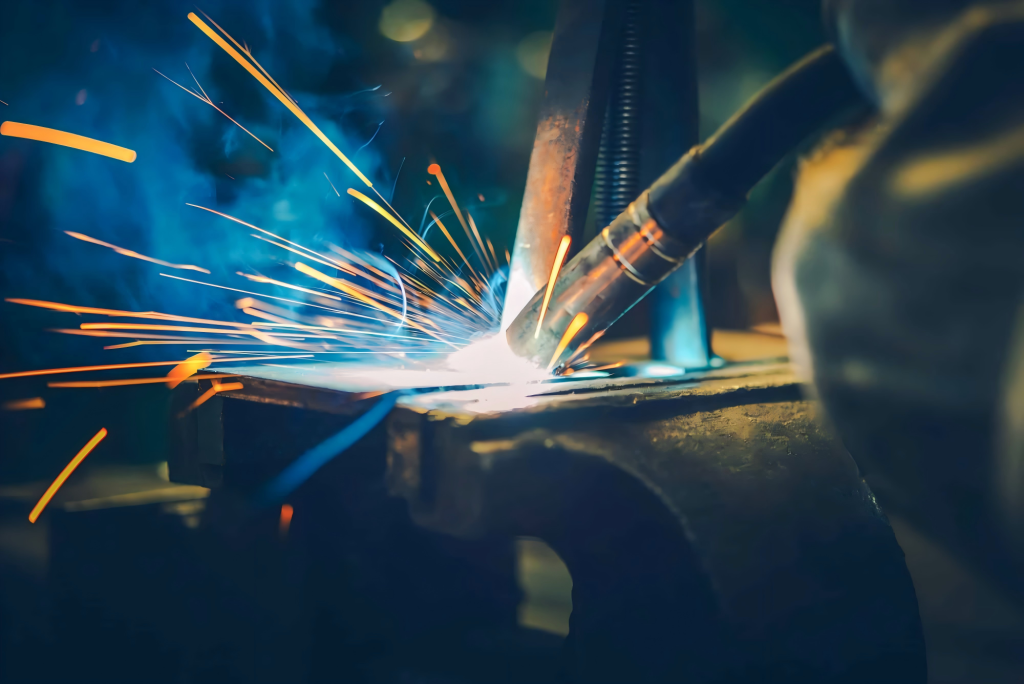
Even well-maintained cobot systems can encounter issues, and being able to identify and repair these problems ASAP is the key to minimizing production delays.
Burnback and Premature Contact Tip Wear
Incorrect liner trimming or improper consumable installation often causes burnback—this is where the welding wire melts and fuses into the contact tip. When this happens, welding will be interrupted, and tip wear is accelerated, leading to higher maintenance costs.
Correct consumable installation and trimming to match manufacturer specifications prevents most of these issues.
Poor Wire Feeding
Wire feeding problems can be triggered by liner length errors, sharp cable bends, excessive conduit length, or incorrect drive roll selection. These issues produce an inconsistent wire delivery, spatter, and weld defects.
Routine inspection and ensuring a proper wire path setup often prevent this issue.
Premature Power Cable Failure
Power cables can suffer abrasion, kinking, or damage if the wire length is suboptimal. This leads to erratic welds, voltage drops, or even system shutdowns. With proper routing, support, and cable length, these failures are often very rare and also prolong cable life.
Also, keep in mind that sensitive electronics in your cobot may be affected by sudden voltage drops and system shutdowns, so take power failure issues seriously.
Loss of Tool Center Point (TCP)
The TCP defines the exact point where the welding torch touches the workpiece. Misaligned fixtures, cross-threaded consumables, or a bent MIG gun neck can shift the TCP and reduce weld accuracy and repeatability.
To ensure welding precision, we recommend conducting TCP checks and making adjustments as needed.
Malfunctioning Peripherals
Anti-spatter devices, nozzle-clearing reamers, and other peripherals can fail if used and positioned incorrectly. Regular maintenance and optimal anti-spatter application can prevent these and improve weld quality in the long run.
Weld Defects and Quality Issues
Incomplete fusion, undercut, surface defects, and porosity are often caused by equipment malfunction, consumable wear, or programming errors. Even slight changes in programming or just one outdated parameter can trigger significant defects.
Simulation and monitoring can help prevent these issues early.
Troubleshooting Tips for Cobot Maintenance and Issue Resolution
Fixing issues in cobot systems requires a structured multi-layered approach, so it’s best to combine inspection, maintenance, and process evaluation all in one.
1. Start with Recent Changes
Review any recent process, consumable, or programming modifications. Often, new settings are the source of unexpected weld defects.
2. Inspect and Install Consumables Correctly
Follow manufacturer guidelines for contact tips, liners, and nozzles. Proper installation prevents burnback, poor wire feed, and TCP misalignment.
3. Maintain a Regular Schedule
Replace the worn consumables and calibrate the system regularly. Regular cobot maintenance ensures consistent weld quality and reduces downtime in the long run.
4. Optimize Wire Feeding
Check liner length, simplify cable paths, and choose the appropriate drive rolls. Proper wire setup prevents bird-nesting (also called octopus wires), inconsistent welds, and wire jams.
5. Check Cable Routing
Inspect power and control cables for kinks, wear, or abrasions. Ensure correct cable length and support to prevent premature failures and system shutdowns.
6. Check Tool Center Point (TCP)
Use neck fixtures or alignment tools to verify TCP accuracy. Misalignment compromises weld accuracy and consistency, affecting both weld quality and repeatability.
7. Calibrate Peripherals
Position nozzle cleaning reamers and anti-spatter stations correctly. Apply anti-spatter sprays as recommended by the manufacturer to maintain nozzle cleanliness.
8. Detect Programming Errors
Simulate weld paths to find collisions, deviations, or outdated parameters. Regular program updates keep weld quality high.
9. Monitor Shielding Gas Flow
Confirm flow rates and check for leaks. Proper shielding prevents porosity and improves arc stability—which leads to better, more accurate welds.
10. Train Operators Thoroughly
Skilled operators reduce errors, speed up troubleshooting, and perform routine cobot maintenance efficiently, so it’s important to train your team continuously.
Preventive Measures to Avoid Frequent Failures
With proactive measures in place, you can keep your cobot system up and running smoothly, all while minimizing costly and stressful downtime:
- Train Operators Well
Make sure your welder-operators know how to program, operate, and maintain the cobot system correctly. Well-trained team members reduce mistakes and actually speed up troubleshooting. - Use Quality Consumables
High-quality tips, liners, nozzles, and cables last longer and feed more reliably. This reduces downtime and improves weld consistency. - Schedule Regular Maintenance
Inspect equipment, replace worn parts, and calibrate the system routinely. Preventive carecatches small issues before they become major problems. - Plan Robot Paths Carefully
Avoid sharp bends, collisions, and unreachable welds when programming paths. Proper path planning protects the robot and maintains consistent weld quality. - Monitor the System
Check the wire feed, TCP alignment, and cables regularly. Early detection of issues prevents costly failures and production delays.
Conclusion
In summary, maintaining your cobot system’s reliability depends on a mix of meticulous troubleshooting, diagnostics, and preventive care. By quickly identifying issues, such as TCP misalignment or wire feed problems, you become one step ahead of potential major repairs.
By also employing regular maintenance, continuing operator training, and timely, careful monitoring, you can create a workspace where your cobots can consistently deliver precise, high-quality performance and make the most of your cobotics investment.
Keep your welding operations running consistently at peak uptime and efficiency with Denaliweld! With cobot maintenance expertise, premium consumables, and comprehensive technical and customer service support, you can ensure your high-quality production will go uninterrupted!
Get in touch with our team today and explore Denaliweld’s cobot solutions!