
Introduction
A compact MIG machine, a small TIG torch, and a flux core gun solve different workshop problems. The right choice starts with the material and joint, available power, access, and the length of time the equipment will spend welding.
These welding tools also depend on the surrounding setup. A torch connects to a suitable source; a gun needs a compatible feeder and wire arrangement. Buying an accessory does not add a welding process that the machine cannot provide. The three equipment decisions below help separate those requirements before money is spent.
What Can a 110V MIG Welder Handle?
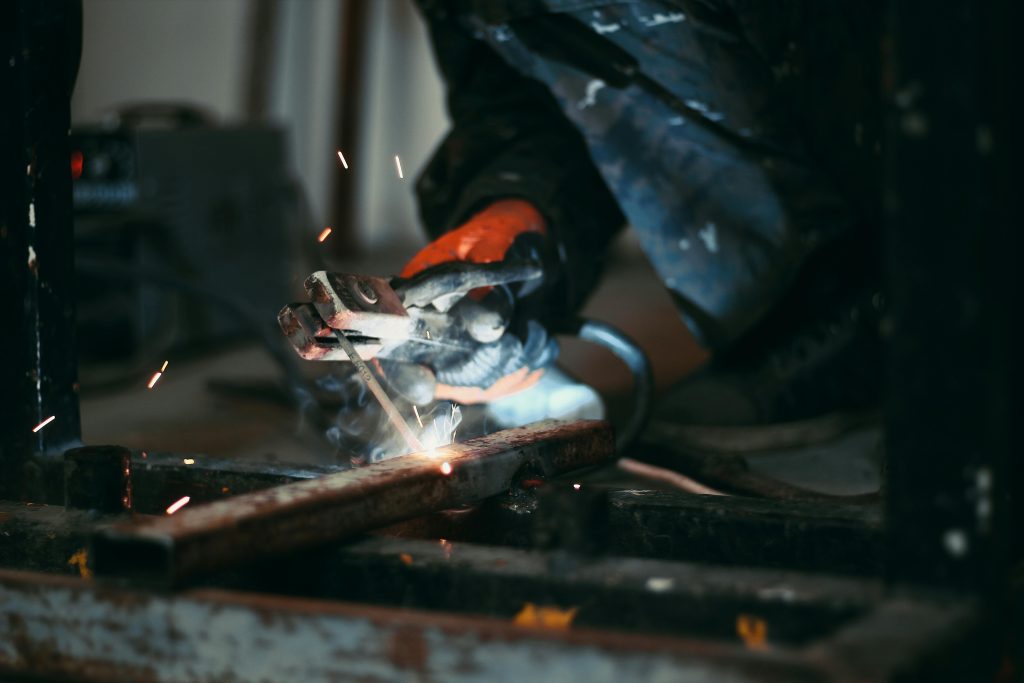
A 110V MIG welder can suit light fabrication and occasional repairs when its rated output covers the joint and the supply meets its requirements. The input label alone does not establish welding capacity. “110V” is commonly used for compact equipment operating on nominal 120V US supplies; the machine documentation determines the actual requirement.
Output Matters More Than the Input Label
Rated welding current, duty cycle, joint preparation, wire, and shielding determine the useful working range. Duty cycle applies at a stated output: a machine that completes a short repair may need pauses during repeated long seams at the same setting.
Thickness claims need their stated conditions. A result achieved on a prepared test joint does not automatically transfer to a different assembly or safety-critical repair.
The Complete MIG Setup
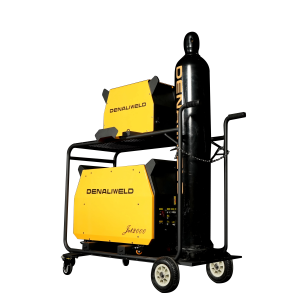
TWI’s equipment guidance describes the source, wire-feed system, conduit, gun, and shielding supply. Some compact machines also support flux-cored wire, subject to their specified setup.
Circuit capacity and extension-lead use follow the manual. A familiar plug is not proof that every household outlet can support the machine under load.
What Is a Micro TIG Welding Torch Used For?
A micro TIG welding torch is a compact torch format for precision work or restricted access within a TIG system. It is not a standalone machine, and the label alone does not establish a particular minimum current or pulsed-welding capability.
Access and Heat Control
A small head can reach a corner, closely spaced joints, or a bracket that leaves little room for the operator’s hand. Cable flexibility and grip also affect whether the torch is comfortable to position.
Fine control depends on the power source’s behavior at low current, arc starting, current adjustment, shielding, and technique. Torch size alone does not guarantee lower heat input. TIG uses a non-consumable tungsten electrode; filler, when required, enters separately. The electrode, collet, cup, and filler therefore perform different jobs.
Compatibility and Practical Limits
The connection, cooling arrangement, current rating, and compatible consumables determine whether a torch fits an existing machine. A smaller head may restrict sustained output even when its access is useful.
Micro TIG and microplasma refer to different arrangements. A compact TIG torch should not be treated as evidence that the equipment supports microplasma or a dedicated micro-welding process. The specification needs to identify what the complete setup can actually do.
How Do I Choose the Best Flux Core Welding Gun for My Project?
Choose a flux core welding gun that matches the source connection, wire range, operating current, duty cycle, and reach needed by the project. The best match is an equipment combination that can sustain the intended work, rather than simply the highest-rated gun.
Shielding Type and Electrical Compatibility
Flux-cored arc welding has two shielding arrangements. Self-shielded FCAW relies on the wire’s flux system; gas-shielded FCAW also uses an external supply. A flux core gun is not automatically a gasless setup.
The machine connector and trigger wiring must be compatible, and polarity follows the selected wire and equipment instructions. Gun current rating and duty cycle need checking together. The source’s maximum current does not indicate how long the gun can work at that level.
Wire Delivery and Working Reach
Contact-tip size, liner, and feeder components must suit the wire. Wear or mismatched parts can interrupt delivery even when the source settings are correct.
Cable length needs to provide usable reach without making handling and feeding unnecessarily difficult. Neck angle affects access to the actual joint. Appropriate self-shielded wire may suit outdoor work, while externally shielded processes need protection from disruptive air movement. Fumes, slag removal, replacement consumables, and service availability also belong in the selection.
Which Tool Fits Which Workshop Job?
The table compares typical applications and the specification that deserves attention first. It is a starting point for matching equipment to work, not a promise that any product in a category will meet the requirement.
Tool | Typical fit | Main check |
110V MIG welder | Light shop work and occasional repair | Rated output, duty cycle, and input supply |
Micro TIG torch | Precision joints and restricted access | Low-current control, torch rating, and connection |
Flux core gun | Repair or fabrication with a suitable FCAW system | Shielding type, wire compatibility, and working load |
A shop handling several types of work may need more than one process. Existing machine capability, expected workload, and the required joint quality determine whether an accessory is sufficient or a separate system is needed.
Where Specialized Laser Welding Tools Fit
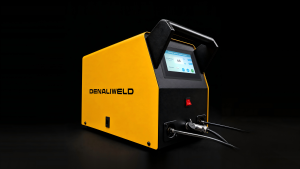
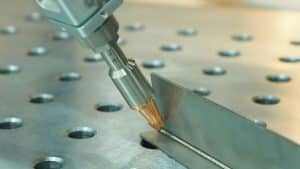
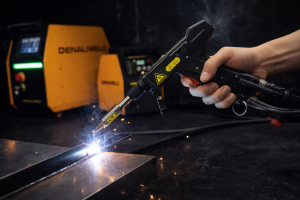
Laser welding is a separate option for suitable metal joints, including repeat sheet-metal work. DenaliWeld’s air-cooled laser welders and cobot laser welding systems illustrate handheld and automated configurations. They are complete process choices, not interchangeable attachments for an arc-welding machine.
Trials establish suitability for the material, fit-up, acceptance requirements, and production pattern. Protection must match the laser exposure: ordinary arc-welding eye protection alone does not establish suitability. DenaliWeld’s laser-safety resources describe protective equipment and controlled workstations for that context.
Conclusion
Available power, working access, compatibility, and workload provide a practical basis for choosing welding equipment. The machine and accessory have to suit the same task, with an appropriate procedure and trained operator behind them.
For a shop also considering laser welding, an application discussion with DenaliWeld can establish whether its parts warrant a trial. That comparison should follow the joint and production need rather than treating every new welding tool as a replacement for the existing setup.
FAQs
Do I need AC TIG capability to weld aluminum?
For conventional TIG welding of aluminum, AC is commonly used because its cleaning action helps address the surface oxide. A DC-only TIG machine should not be assumed suitable for the same work. The selected welding procedure and equipment documentation determine the required capability for the particular application.
Can high-frequency TIG starting affect nearby electronics?
Yes. TWI notes that high-frequency arc starting can create electromagnetic interference, including interference with nearby control systems and instruments. Equipment placement, cable arrangements, and starting-method selection need consideration where sensitive electronics are present. Follow the machine’s installation guidance rather than assuming every workshop location presents the same conditions.
Does tungsten diameter matter for TIG welding?
Yes. Electrode diameter and tip preparation need to suit the welding current and procedure. An electrode selected for heavier work may not suit a low-current precision joint. TIG equipment guidance provides context, while the approved setup identifies the electrode type and preparation for the actual job.
How should flux-cored wire be stored between jobs?
Follow the wire manufacturer’s storage and exposure instructions, with protection from moisture and contamination. AWS identifies damp wire as a possible contributor to porosity. Drying or heating a spool is not a universal remedy; any recovery treatment needs specific guidance for that consumable rather than a workshop rule applied to every wire.
Do painted or galvanized parts need additional precautions?
Yes. Coatings can change the fumes produced during welding. OSHA identifies hazards from metal coatings, including zinc on galvanized steel. The coating and exposure controls need assessment before work begins. Surface preparation, extraction, and any respiratory protection should follow the job’s safety procedure rather than relying on general room ventilation.