

Introduction
Laser welding is used across a wide range of industries, but production requirements can vary significantly from one application to another. A system that performs well in high-volume automotive manufacturing may not be the best fit for precision battery production or custom metal fabrication.
Instead of focusing only on laser power, manufacturers should evaluate production volume, material type, weld geometry, and automation requirements. Choosing equipment based on the application helps improve weld consistency, production efficiency, and long-term operational value.
Which Laser Welders Are Best for Automotive Applications?
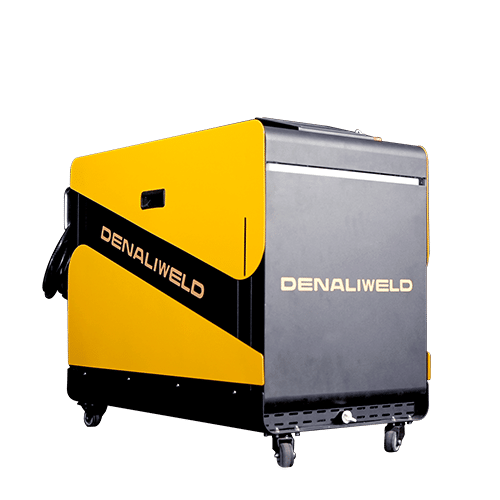
Automotive manufacturers require consistent weld quality across thousands of identical parts. Applications such as body structures, seat frames, exhaust components, and EV battery assemblies all rely on stable process control to maintain quality while supporting continuous production.
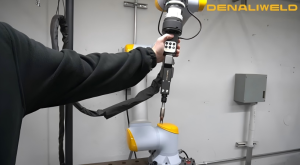
Many manufacturers improve repeatability by integrating a robotic laser welding system into automated production lines. For facilities that need greater flexibility, a cobot laser welding system provides an effective way to automate welding without redesigning the entire production process.
When selecting equipment, manufacturers should compare production volume, material thickness, and joint design rather than laser power alone. DenaliWeld’s automotive laser welding solutions demonstrate how different systems can be matched to specific manufacturing requirements, from structural components to EV battery production. Manufacturers can also reference AWS D8.10M:2021 for acceptance criteria covering automotive laser beam welds in steel.
Production Requirement | Recommended Solution | Main Benefit |
High-volume production | Robotic Laser Welding | Consistent weld quality |
Multiple product variants | Cobot Laser Welding | Greater flexibility |
EV battery components | Automated Laser Welding | Stable process control |
Which Laser Welders Work Best for Electronics and Battery Manufacturing?
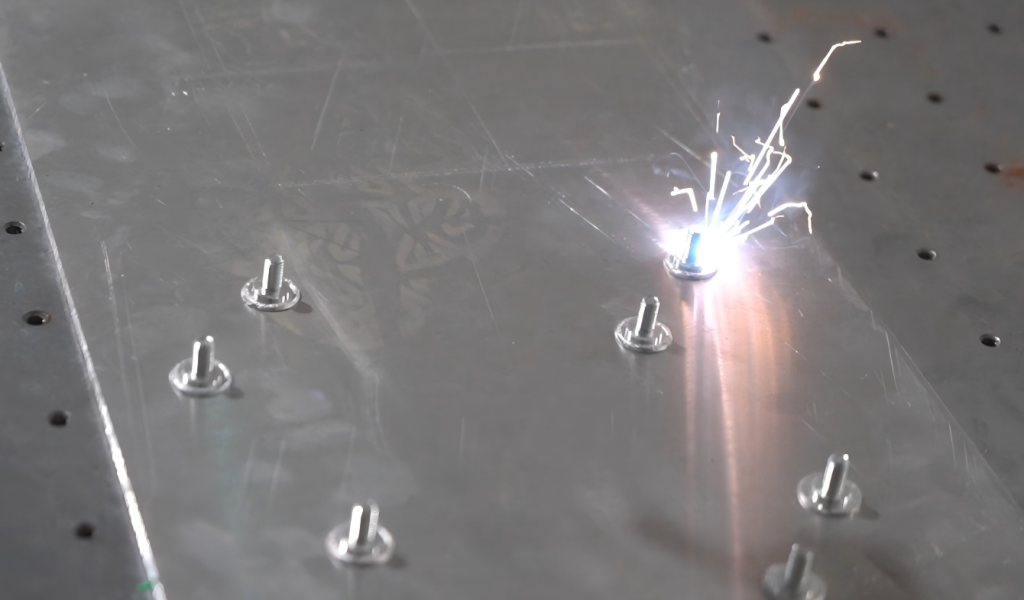
While automotive production focuses on repeatability, electronics and battery manufacturing demands greater precision. Components such as battery tabs, busbars, connectors, and electronic housings require controlled heat input to minimize distortion while maintaining reliable electrical and mechanical performance.
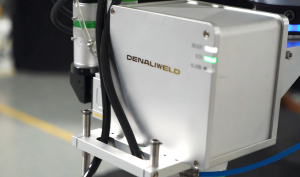
For these applications, a robot-integrated Galvo laser welding system offers a practical solution. Instead of repositioning the workpiece for every weld, galvanometer-driven mirrors rapidly direct the laser beam to each programmed location, helping reduce cycle time while maintaining consistent weld quality.
Manufacturers should also evaluate welding procedures according to recognized standards. ISO 15614-11:2025 provides requirements for qualifying laser welding procedures, while ISO 13919-2:2021 defines quality levels for weld imperfections in aluminum, magnesium alloys, and pure copper. For additional application examples, explore DenaliWeld’s electronics and communication industry solutions.
Application | Key Requirement | Recommended Solution |
Battery tabs & busbars | Low heat input | Robot-Integrated Galvo Laser Welding |
Electronic housings | High positioning accuracy | Galvo Laser Welding |
Precision connectors | Repeatable spot welds | Automated Galvo Laser Welding |
What Laser Welders Are Best Suited for Heavy Industrial and Job Shop Use?
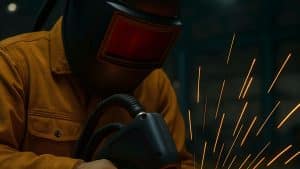
Heavy industrial fabrication presents a different set of challenges. Manufacturers often process multiple materials, varying part sizes, and changing production schedules, making flexibility just as important as welding performance.
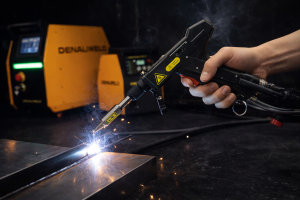
A laser welding machine for metal job shops can support a wide range of fabrication tasks, from custom components to repair work. For facilities that value mobility and simple installation, an air-cooled laser welding machine provides an efficient option with reduced infrastructure requirements. Operations running longer production shifts, however, may benefit from water-cooled systems that offer greater thermal stability during continuous use.
When selecting equipment, manufacturers should compare production volume, material thickness, and operating schedule instead of focusing solely on laser power or welding speed.
How to Choose the Right Industrial Laser Welder
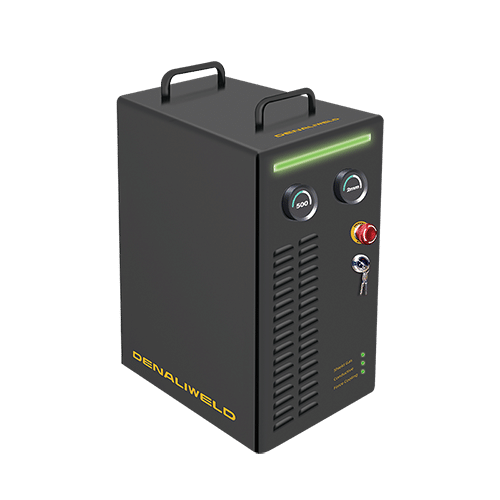
Every manufacturing environment has different production priorities, so there is no single laser welding system that fits every application. Instead of comparing machines based only on specifications, manufacturers should consider production volume, material type, weld geometry, available floor space, and future automation plans.
For high-volume production, robotic laser welding systems provide the repeatability needed for continuous manufacturing. Precision applications such as battery assembly benefit from Galvo laser welding, while fabrication shops processing a wide variety of parts often require equipment that balances performance with flexibility. Exploring DenaliWeld’s complete range of industrial laser welding solutions can help manufacturers compare systems according to their production requirements rather than a single specification.
Conclusion
The best industrial laser welding solution depends on the application, not the highest machine specification. Automotive production, electronics and battery manufacturing, and heavy industrial fabrication each require a different balance of automation, precision, and production flexibility.
By evaluating production goals, material characteristics, and operating requirements, manufacturers can select equipment that delivers consistent weld quality while supporting future production growth. Taking an application-first approach helps ensure that the investment continues to meet manufacturing needs as production evolves.
Frequently Asked Questions
Which laser welding system is best for automotive manufacturing?
Automotive manufacturers typically use robotic laser welding systems because they provide the repeatability and process consistency required for high-volume production. Facilities producing multiple product variants may also benefit from cobot laser welding systems, which offer greater flexibility while supporting gradual automation.
Why is Galvo laser welding suitable for battery manufacturing?
Galvo laser welding rapidly redirects the laser beam between weld locations, making it well suited for battery tabs, busbars, connectors, and other precision components. The process helps reduce cycle time while maintaining accurate heat control and consistent weld quality.
Should I choose an air-cooled or water-cooled laser welding machine?
The choice depends on your production requirements. Air-cooled laser welding machines are often suitable for flexible fabrication, repair work, and shorter production runs, while water-cooled systems are generally preferred for higher-duty applications requiring longer continuous operation.